
Sending a package to another country can feel complicated. There are different languages, address formats, customs requirements, shipping services, and delivery networks to consider.
Yet, one small piece of information can make the entire process much easier: the postal code.
Whether it is called a ZIP Code, postcode, or postal code, this short combination of numbers or letters helps shipping companies identify delivery areas and move mail and packages through international networks.
From an online order traveling from the United States to Indonesia to a parcel moving from Japan to Europe, postal codes provide valuable location information at almost every stage of the journey.
What Is a Postal Code?
A postal code is a geographic identifier used by postal organizations to help organize mail delivery.
Different countries use different formats.
For example:
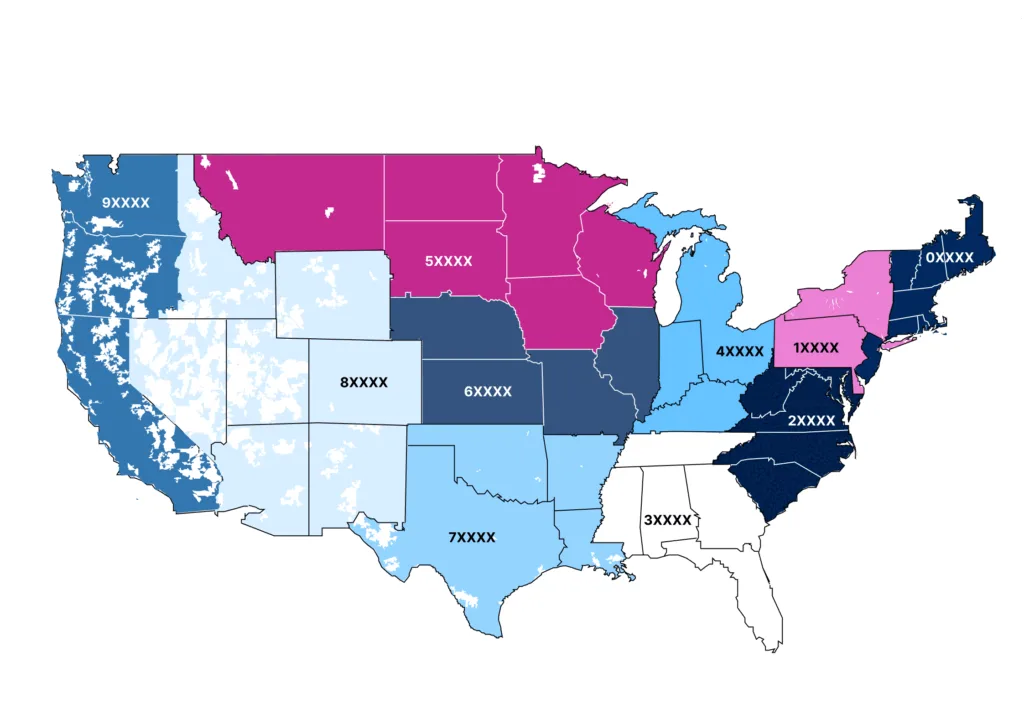
- United States: 5-digit ZIP Code, such as 10001
- Canada: alphanumeric code, such as M5V 3A8
- Australia: 4-digit postcode, such as 2000
- Japan: 7-digit postal code, such as 100-0001
- Indonesia: 5-digit postal code, such as 10110
Although the formats are different, the basic purpose is similar: help identify where mail and packages should go.
Why Postal Codes Matter in International Shipping
International shipping involves multiple transportation and sorting stages.
A package may travel through:
- The sender’s local delivery network
- A regional sorting center
- An international shipping facility
- An airport or seaport
- The destination country’s customs system
- A domestic sorting facility
- A local delivery center
- The recipient’s address
At different points in this journey, postal information can help shipping providers organize and route the package.
Without standardized location information, processing large volumes of international shipments would be considerably more difficult.
Postal Codes Help Identify Delivery Areas
One of the biggest advantages of postal codes is that they provide a quick geographic reference.
Imagine a package being shipped to a large city with thousands or millions of residents.
The city name alone may not be enough.
A postal code can narrow the destination down to a particular delivery area.
This allows postal and logistics systems to distinguish between different neighborhoods, districts, suburbs, or localities that share the same city name.
Postal Codes Reduce Address Confusion
International addresses can be challenging because every country has its own conventions.
A U.S. address may use a ZIP Code.
A Canadian address uses letters and numbers.
An Australian address uses a four-digit postcode.
An Indonesian address generally uses a five-digit kode pos.
A Japanese address uses a seven-digit postal code.
When international shipping companies process these addresses, the postal code provides an additional standardized piece of information that can be used alongside the street address, city, province, state, or region.
Postal Codes and Online Shopping
International e-commerce has made postal codes even more important.
When you buy a product from an overseas store, the checkout page may ask for:
- Full name
- Street address
- City
- State or province
- Postal code
- Country
- Phone number
The postal code may be used to validate the address, estimate delivery costs, determine available shipping methods, and calculate an estimated delivery area.
Some websites can even automatically suggest part of an address after you enter a postal code.
This makes the checkout process faster and reduces manual typing.
Postal Codes Can Help Calculate Shipping Costs
Shipping companies often consider several factors when calculating delivery prices.
These can include:
- Package weight
- Package dimensions
- Origin
- Destination
- Shipping service
- Delivery speed
- Additional services
The postal code can help identify the destination area.
For example, shipping to a remote area may cost more than shipping to a major metropolitan center, depending on the carrier and service.
By entering the correct postal code, an online store can provide more accurate shipping information.
Postal Codes and Delivery Estimates
Postal codes can also contribute to delivery estimates.
A shipping company may use destination information to determine which distribution network, sorting facility, or local delivery route is appropriate.
For example, a parcel going to central Tokyo and one going to a remote Japanese community will follow different logistical paths.
The postal code helps identify the intended delivery area.
Of course, a postal code cannot guarantee an exact delivery date. Weather, customs processing, transportation delays, holidays, and other factors can affect international shipments.
Postal Codes and Customs Information
It is important to understand that a postal code does not replace customs information.
International packages may require details such as:
- Sender information
- Recipient information
- Contents
- Declared value
- Country of origin
- Package weight
- Customs documentation
The postal code works alongside these details.
A package with a perfectly correct postal code can still experience a delay if its customs declaration is incomplete or inaccurate.
The Importance of Using the Correct Country
One of the easiest international shipping mistakes is entering a postal code without selecting the correct country.
The same numerical pattern can potentially exist in different countries.
For example, a five-digit number by itself does not always tell a shipping system which country it belongs to.
That is why international shipping forms normally require both:
Country + Postal Code
The country tells the system which national addressing system should be applied, while the postal code provides more specific geographic information.
Postal Code vs. ZIP Code vs. Postcode
You may encounter different terminology when shipping internationally.
In general, these terms refer to similar concepts:
- Postal code — a broad international term
- ZIP Code — commonly used in the United States
- Postcode — commonly used in countries such as the United Kingdom and Australia
- Kode pos — commonly used in Indonesia
The terminology changes, but the purpose is generally similar: identifying a postal delivery area.
When completing an international form, always follow the format required for the destination country.
Common International Postal Code Mistakes
Using the Wrong Format
If the destination country uses seven digits, do not try to shorten the code to five digits.
Likewise, do not remove letters from an alphanumeric postal code.
Entering a Nearby Postal Code
A nearby neighborhood may have a different postal code.
Always verify the code using the exact destination address.
Confusing City and Postal Code
A city name does not automatically determine one postal code.
Large cities often contain many different postal areas.
Leaving the Postal Code Blank
Some international addresses may use different addressing conventions, but if the destination country normally uses postal codes, leaving the field blank can create unnecessary problems.
Mixing Countries
Be careful when copying addresses from different websites.
Make sure the postal code, city, state or province, and country all belong to the same destination.
How to Find an International Postal Code
The safest method is to use a reliable postal-code lookup tool associated with the destination country.
Start with as much address information as possible.
For example:
Country → State/Province → City → District/Suburb → Street
Then verify the corresponding postal code.
If you are shipping a valuable or important package, checking the address before printing the shipping label is well worth the extra minute.
Postal Codes in the Future of Global Logistics
As e-commerce continues to grow, postal and location information will remain important.
Modern logistics systems increasingly combine postal codes with:
- Digital address databases
- Barcode scanning
- Automated sorting
- GPS and mapping technology
- Delivery tracking
- Address validation
- Route optimization
These technologies work together rather than replacing postal codes entirely.
A postal code remains a simple and useful way to organize geographic delivery information.
Tips for Easier International Shipping
Before sending an international package, check the following:
1. Verify the recipient’s full name.
2. Confirm the street address.
3. Check the city and region.
4. Verify the destination country’s postal-code format.
5. Double-check every letter and number in the postal code.
6. Make sure the country matches the address.
7. Complete customs information accurately.
8. Keep the tracking number after shipment.
These simple steps can prevent many avoidable shipping problems.