
If you have ever sent a package, ordered something online, or filled out an address form in Indonesia, you have probably been asked for a postal code.
In Indonesia, postal codes are an important part of the addressing system. They help identify geographic areas and make it easier for mail and packages to reach the correct destination.
Indonesian postal codes are generally made up of five digits, but understanding what those numbers represent can be confusing, especially when different cities, regencies, districts, and villages have different codes.
This guide explains how Indonesian postal codes work, how they are organized, and why using the correct code matters.
What Is an Indonesian Postal Code?
An Indonesian postal code, commonly called kode pos, is a five-digit numerical code assigned to a particular geographic delivery area.
A typical Indonesian postal code looks like:
68111
The postal code is normally written together with other address information, such as the street, village or urban village, district, regency or city, and province.
For example, a simplified Indonesian address might look like:
Jl. Example No. 10
Kecamatan Example
Kabupaten Example
Jawa Timur 68111
Indonesia
The postal code provides an additional geographic reference that helps distinguish one delivery area from another.
Why Are Postal Codes Important in Indonesia?
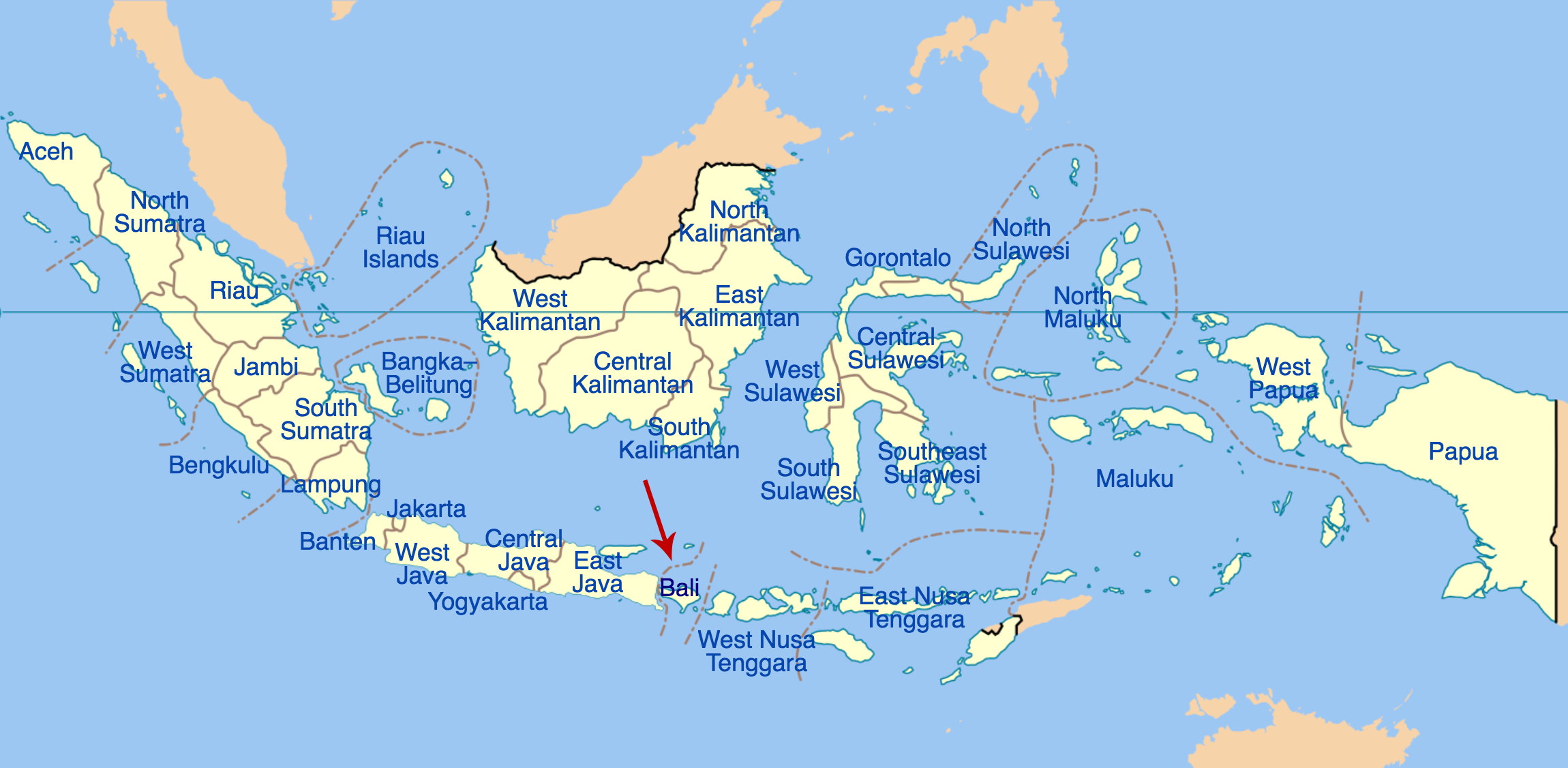
Indonesia is a large country made up of thousands of islands and many different administrative regions. Cities and regencies can contain numerous districts and villages.
Because of this geographic diversity, an organized postal-code system is essential.
Postal codes can help:
- Sort letters and packages
- Identify delivery areas
- Reduce address confusion
- Support courier services
- Improve online shopping deliveries
- Validate addresses on websites
- Organize geographic information
- Make shipping processes more efficient
A postal code does not replace the rest of an address. Instead, it works together with the street address and administrative information.
How Many Digits Does an Indonesian Postal Code Have?
Indonesian postal codes normally contain five digits.
For example:
10110
40115
60231
78121
The numbers are not random. They are organized geographically to help identify particular areas.
However, you should not try to determine an exact postal code simply by looking at the first one or two digits. The complete five-digit code is needed for accurate identification.
How Indonesian Postal Codes Are Organized
One of the easiest ways to understand Indonesian postal codes is to look at their relationship with geographic regions.
Postal codes are generally organized according to geographic and administrative areas, including provinces, cities or regencies, districts, and local delivery areas.
The exact meaning of individual digits can vary depending on the area, so it is better to think of the code as part of a structured geographic system rather than treating each digit as a standalone label.
This organization allows different areas to have their own postal-code ranges.
Province, Regency, City, and District
Indonesian addresses commonly contain several administrative levels.
You may encounter:
- Province (Provinsi)
- Regency (Kabupaten)
- City (Kota)
- District (Kecamatan)
- Village (Desa)
- Urban village (Kelurahan)
Postal codes are associated with specific local delivery areas within this structure.
For example, knowing that an address is located in Jawa Timur is not enough to determine its postal code.
You may also need to know the regency or city, district, and village or urban village.
This is why postal-code searches based only on a province name can produce too many results.
Why One City Can Have Many Postal Codes
A common misunderstanding is that every city has one postal code.
In reality, large Indonesian cities can have many different postal codes.
For example, Surabaya, Bandung, Jakarta, and Medan contain numerous neighborhoods and administrative areas. Each area can have its own postal code.
This makes the complete address important.
If someone tells you only that a package is being sent to Jakarta, you cannot reliably determine its postal code without knowing the specific locality or address.
Indonesian Postal Codes and Online Shopping
Postal codes have become increasingly important because of the growth of e-commerce in Indonesia.
When purchasing something online, customers are commonly asked to provide:
- Name
- Phone number
- Street address
- Village or urban village
- District
- City or regency
- Province
- Postal code
The postal code can help an online store or courier system identify the delivery area.
It may also be used to calculate shipping costs and determine available delivery services.
A small mistake in the postal code can therefore create unnecessary problems during checkout or delivery.
Postal Codes and Courier Services
Indonesia has a large network of courier companies serving both urban and rural areas.
Postal codes can provide useful information when packages are processed and routed through distribution networks.
When a courier receives an address with complete and accurate information, the postal code provides an additional clue about the destination.
For this reason, entering the correct postal code is especially important when sending packages between different provinces or islands.
How to Find the Correct Indonesian Postal Code
The safest way to find an Indonesian postal code is to search using the most specific location information available.
A useful search structure is:
Province → Regency/City → District → Village/Urban Village
For example, instead of searching only for:
Jawa Timur postal code
you should narrow the search to the specific administrative area.
A postal-code directory can make this process much easier by allowing users to search by province, regency or city, district, and village.
Common Mistakes When Searching for Kode Pos
Several mistakes frequently occur when people look for Indonesian postal codes.
1. Searching Only by City
A city can contain dozens or hundreds of local areas. Searching only by city may not provide enough information.
2. Confusing Kecamatan and Kelurahan
The district (kecamatan) and urban village (kelurahan) are different administrative levels. Make sure you select the correct one.
3. Using a Nearby Postal Code
Two nearby villages may have different postal codes. Never assume that the closest location has the same code.
4. Entering Only Part of the Code
Indonesian postal codes normally contain five digits. Leaving out a digit can result in an invalid or incorrect address.
5. Relying on Old Information
Administrative boundaries and local addressing information can change. If you are dealing with an important shipment, verify the postal code using a reliable and up-to-date directory.
Postal Codes Are Not the Same as GPS Coordinates
It is also important to understand the difference between a postal code and a geographic coordinate.
A GPS location can identify a very precise physical position using latitude and longitude.
A postal code, on the other hand, is primarily designed to organize mail delivery areas.
Therefore, a postal code should not be treated as an exact replacement for GPS coordinates.
It is a practical addressing tool rather than a precise map coordinate.
Why a Postal Code Database Can Be Useful
A well-organized Indonesian postal-code database can make address searches much easier.
Instead of asking users to remember complicated administrative structures, a search system can provide menus such as:
Select Province → Select Regency/City → Select District → Select Village → View Postal Code
This approach is particularly useful for:
- Online stores
- Courier services
- Local businesses
- Government-related applications
- Address directories
- Property websites
- Community websites
- Delivery management systems
A searchable database can also reduce the chance of users selecting the wrong area.
The Future of Indonesian Postal Code Searches
As more Indonesian services move online, postal-code information is becoming increasingly useful.
Modern websites can combine postal-code databases with searchable addresses, maps, location services, and delivery tools.
Instead of manually checking several sources, users can enter a village or district name and quickly find the relevant postal code.
For e-commerce and logistics businesses, this type of automation can make address processing faster and more convenient.