
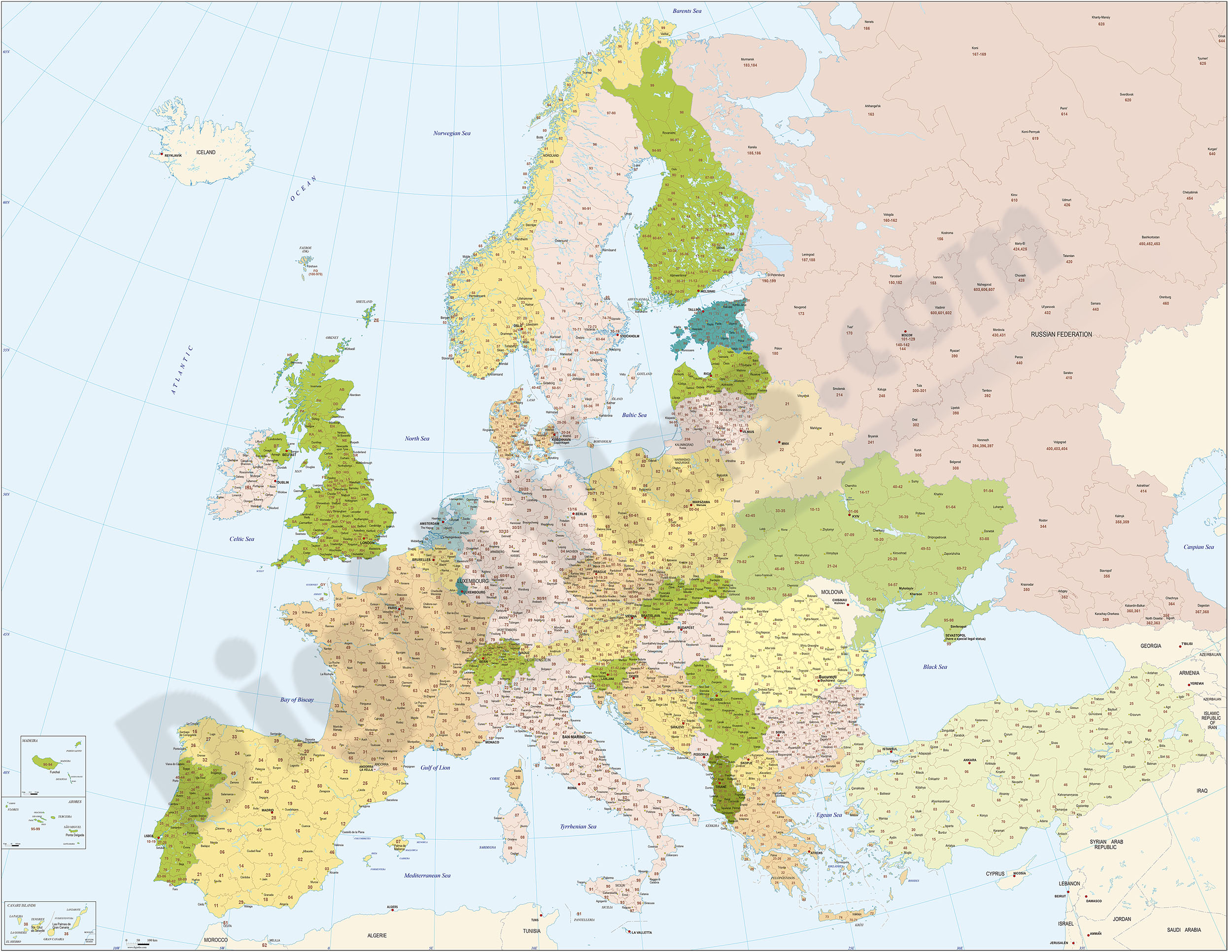
If you have ever filled out an online shopping form, sent a package, or completed an international address, you have probably seen terms such as ZIP Code, postal code, and postcode.
At first glance, these terms can seem confusing. Are they actually different things, or are they simply different names for the same system?
The short answer is that they all generally refer to a code used to identify a geographic area for mail delivery. However, the terminology and formatting can vary depending on the country.
Understanding the difference between ZIP Code, postal code, and postcode can help you enter addresses correctly and avoid unnecessary delivery problems.
What Is a Postal Code?
A postal code is a general term for a series of letters, numbers, or a combination of both used by a postal service to identify a particular geographic delivery area.
Postal codes make it easier for postal services to sort and deliver letters and packages.
For example, a postal code may identify a city, neighborhood, district, group of streets, or another specific delivery area.
Different countries have developed their own postal code systems based on geography, population, and the needs of their postal services.
That is why postal codes do not look the same everywhere.
What Is a ZIP Code?
A ZIP Code is the name used for the postal code system in the United States.
ZIP stands for Zone Improvement Plan.
The standard U.S. ZIP Code contains five digits, such as:
10001
There is also a more detailed format called ZIP+4, which adds four digits after a hyphen:
10001-1234
The additional four digits can help identify a smaller delivery area, such as a particular section of a street or a group of addresses.
Because ZIP Code is specifically associated with the United States, it is not technically the general name for postal codes in every country.
What Is a Postcode?
Postcode is another common term for a postal code.
The word is especially common in countries such as the United Kingdom, Australia, and several other English-speaking regions.
For example, a UK postcode may look like:
SW1A 1AA
Australian postcodes generally contain four digits, such as:
3000
So, while the word “postcode” may sound different from “ZIP Code,” both refer to systems designed to help identify locations for mail delivery.
ZIP Code vs Postal Code
The biggest difference between ZIP Code and postal code is the scope of the terms.
Postal code is a general term that can describe a country’s addressing code system.
ZIP Code specifically refers to the system used in the United States.
For example:
- United States: ZIP Code
- Canada: Postal code
- United Kingdom: Postcode
- Australia: Postcode
- Indonesia: Postal code or kode pos
- Japan: Postal code
Therefore, if an international website asks for your “postal code,” it usually wants whatever type of delivery code your country uses.
ZIP Code vs Postcode
ZIP Code and postcode serve essentially the same basic purpose, but they belong to different national systems.
The U.S. ZIP Code is primarily numeric.
Example:
90210
The UK postcode uses a combination of letters and numbers.
Example:
SW1A 1AA
Australia generally uses four numerical digits.
Example:
2000
These differences are important when entering an address because an online form may expect a particular format.
Why Do Countries Use Different Postal Code Formats?
There is no single global postal code format because postal systems developed independently in different countries.
Geography is one major factor.
A densely populated country may need a highly detailed postcode system, while a country with large rural areas may organize postal codes differently.
Population, administrative boundaries, postal infrastructure, and historical development can also influence the design of a postal code system.
As a result, some countries use only numbers, while others combine letters and numbers.
Examples of Postal Code Systems Around the World
Let’s look at several common systems.
United States
The United States uses five-digit ZIP Codes.
Example:
30301
ZIP+4 provides additional geographic detail.
Example:
30301-1234
United Kingdom
The UK uses alphanumeric postcodes.
Example:
EC1A 1BB
UK postcodes can identify relatively small delivery areas.
Canada
Canadian postal codes use alternating letters and numbers.
Example:
M5V 3A8
The format is generally:
A1A 1A1
where A represents a letter and 1 represents a number.
Australia
Australia uses four-digit postcodes.
Example:
3000
The code can identify a suburb, locality, or delivery area.
Indonesia
Indonesia uses five-digit postal codes, commonly called kode pos.
Example:
10110
Indonesian postal codes are used to organize addresses across provinces, cities, regencies, districts, and villages.
Japan
Japan generally uses seven-digit postal codes.
Example:
100-0001
A hyphen separates the first three digits from the final four digits.
Why Postal Codes Matter for Online Shopping
Postal codes have become particularly important because of the growth of e-commerce.
When you purchase something online, the website may use your postal code to determine where the package should be delivered.
It can also be used to calculate:
- Shipping costs
- Estimated delivery times
- Available delivery services
- Local taxes
- Delivery availability
- Warehouse locations
Entering the wrong postal code can sometimes result in incorrect shipping information or delivery delays.
This is why checking your postal code before placing an order is a good habit.
Postal Codes and International Shipping
International shipping makes postal codes even more important.
Suppose someone in the United States wants to send a package to Indonesia. The address format will not necessarily look like an American address.
The sender must follow the destination country’s addressing conventions.
Using the correct postal code helps international postal operators identify the destination area and route the package through the appropriate network.
When shipping internationally, it is best to verify the postal code using a reliable postal directory or the destination country’s postal service.
Is a ZIP Code the Same as a Postal Code?
In everyday conversation, people may use “ZIP Code” and “postal code” interchangeably.
However, technically, they are not identical terms.
A ZIP Code is the specific name for the United States postal code system.
Postal code is the broader term used to describe these location-based codes in general.
Think of it this way:
Postal code = general category
ZIP Code = U.S. example of that category
Postcode = another commonly used term
This simple distinction makes the terminology much easier to understand.
Why Do Online Forms Say “ZIP/Postal Code”?
You may have noticed that some international websites use a field labeled:
ZIP / Postal Code
This wording is designed to accommodate users from different countries.
For a U.S. customer, the field expects a ZIP Code.
For a Canadian customer, it expects a Canadian postal code.
For a UK customer, it expects a postcode.
In other words, the website is usually asking for the code associated with your local mailing address, regardless of what your country calls it.
Common Postal Code Mistakes
Small errors in postal codes can cause problems.
Some common mistakes include entering:
- A missing digit
- An extra digit
- The postal code of a neighboring area
- An outdated postal code
- Letters in the wrong order
- Incorrect spacing
- A city name that does not match the postal code
For international forms, another common mistake is assuming that every country uses a five-digit number.
That is not true.
Some countries use four digits, some use five, some use seven, and others use combinations of letters and numbers.
How to Find the Correct Postal Code
If you are unsure about a postal code, do not simply guess.
You can usually find the correct code by checking the official postal service website for the relevant country.
You can also use a reliable postal code directory or address lookup service.
When searching, provide as much information as possible, including:
Country → State/Province → City → District → Street → Address
The more precise the address information, the easier it is to identify the correct postal code.
Do All Countries Have Postal Codes?
Not necessarily.
Most countries use some form of postal code system, but coverage and formats can differ significantly.
Some regions may use postal codes for nearly every address, while other areas may have limited coverage or rely more heavily on other addressing methods.
This is particularly important when sending international mail. Never assume that a postal code format from one country will work in another.
The Role of Postal Codes in Modern Technology
Postal codes are no longer used only by traditional postal services.
Today, businesses, mapping platforms, delivery companies, banks, retailers, and government agencies can use postal code information.
Postal codes can help businesses understand where customers are located, determine delivery areas, organize logistics, and analyze geographic markets.
They can also work alongside GPS coordinates and digital mapping systems to improve location accuracy.