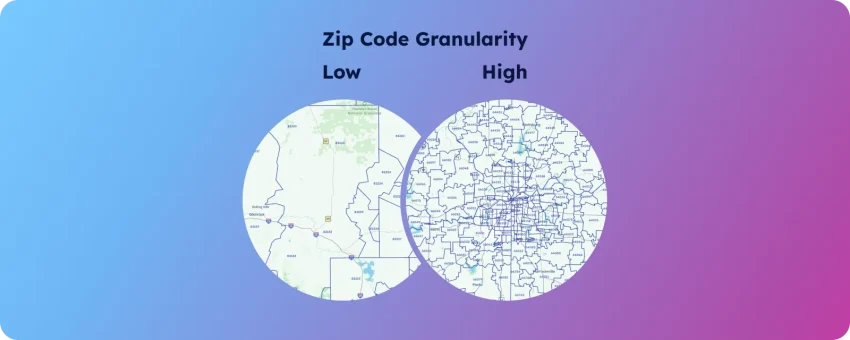
For more than six decades, ZIP Codes have been a familiar part of everyday life in the United States. Most people recognize them as the numbers added to addresses to help mail and packages reach the correct destination. However, the role of ZIP Codes has expanded far beyond traditional mail delivery.
Today, ZIP Codes are valuable sources of geographic information used by businesses, governments, researchers, healthcare organizations, and technology companies. They support online shopping, digital marketing, urban planning, logistics, real estate analysis, and data-driven decision-making.
As the world becomes increasingly connected through artificial intelligence (AI), cloud computing, and big data technologies, ZIP Codes are becoming even more important. They provide a simple yet powerful way to organize location-based information and understand how people, businesses, and communities interact.
This article explores how ZIP Codes have evolved from a postal tool into a critical component of modern data systems and what role they may play in the future.
The Origins of ZIP Codes
ZIP stands for Zone Improvement Plan, a system introduced by the United States Postal Service (USPS) in 1963.
Before ZIP Codes existed, the rapid growth of the American population and increasing mail volume created challenges for postal workers. Sorting millions of letters manually was time-consuming and inefficient.
The ZIP Code system solved this problem by dividing the country into geographic delivery zones.
A traditional ZIP Code contains five digits that identify a general area, while ZIP+4 provides additional information for more precise delivery locations.
Examples include:
- 02108 – Boston, Massachusetts
- 30301 – Atlanta, Georgia
- 60601 – Chicago, Illinois
- 94105 – San Francisco, California
Originally created for mail, ZIP Codes eventually became useful for many other purposes.
The Digital Transformation of ZIP Codes
The internet changed the way people use geographic information.
As businesses moved online, they needed better ways to understand customers, manage deliveries, and organize services.
ZIP Codes became important digital identifiers because they provide:
- Geographic organization
- Regional classification
- Customer location insights
- Market analysis opportunities
- Delivery planning information
Today, ZIP Codes are integrated into thousands of digital systems worldwide.
ZIP Codes and Big Data
Big data refers to the massive amount of information created every day through online activity, business transactions, mobile devices, and digital services.
ZIP Codes help organize this information by adding geographic context.
For example, companies can analyze data by ZIP Code to understand:
- Customer purchasing patterns
- Population trends
- Economic conditions
- Housing development
- Business opportunities
- Service demand
Without geographic organization, large datasets would be much more difficult to interpret.
ZIP Codes provide a simple framework that helps transform raw information into useful insights.
How Businesses Use ZIP Code Data
Modern businesses rely heavily on location-based information.
ZIP Code analysis helps companies make decisions about:
Market Expansion
Businesses can identify areas with potential customers before opening new locations.
Customer Behavior
Companies can study purchasing patterns across different regions.
Advertising Strategy
Marketers can create more relevant campaigns based on geographic audiences.
Delivery Planning
Companies can optimize shipping networks and reduce transportation costs.
ZIP Code data allows businesses to understand not only who their customers are but also where they are located.
The Role of ZIP Codes in E-Commerce
The growth of online shopping has increased the importance of ZIP Codes.
Every online order depends on accurate geographic information.
Retailers use ZIP Codes to:
- Calculate shipping fees
- Estimate delivery times
- Select distribution centers
- Plan delivery routes
- Determine product availability
Same-day and next-day delivery services rely heavily on advanced location analysis.
ZIP Codes serve as an important foundation for modern logistics networks.
Artificial Intelligence and ZIP Code Analytics
Artificial intelligence is changing how organizations use geographic data.
AI systems can analyze ZIP Code information to identify patterns and predict future trends.
Applications include:
- Demand forecasting
- Delivery optimization
- Customer segmentation
- Population analysis
- Urban planning
- Business intelligence
For example, an AI system may analyze ZIP Code data to predict where demand for a product is likely to increase.
This allows companies to make faster and more accurate decisions.
ZIP Codes in Healthcare and Public Services
Healthcare organizations use ZIP Code data to better understand communities.
Geographic analysis helps identify:
- Healthcare accessibility
- Population health trends
- Disease patterns
- Resource needs
- Emergency service requirements
Government agencies also use ZIP Code information for:
- Census analysis
- Infrastructure planning
- Transportation improvements
- Disaster response
Location-based data helps decision-makers allocate resources where they are needed most.
Real Estate and Geographic Insights
The real estate industry has long depended on geographic information.
ZIP Codes help buyers, sellers, and investors analyze:
- Property values
- Neighborhood development
- School availability
- Local amenities
- Market trends
Real estate platforms often allow users to search properties by ZIP Code because it provides a convenient way to explore specific areas.
As housing markets become more data-driven, ZIP Codes continue playing an important role.
ZIP Codes and Smart Cities
Smart cities use technology to improve urban life.
Examples include:
- Intelligent transportation systems
- Smart energy management
- Connected public services
- Environmental monitoring
- Digital infrastructure
These systems require accurate geographic information.
ZIP Codes help organize communities into recognizable regions, making it easier to analyze population needs and manage services.
Future smart city systems will likely combine ZIP Codes with:
- GPS technology
- Artificial intelligence
- Geographic Information Systems (GIS)
- Real-time data platforms
The Importance of ZIP Codes in Local SEO
Digital marketing has also increased the value of ZIP Codes.
Consumers often search online for local services using location-based keywords.
Examples include:
- Restaurants near me
- Best dentist in my area
- Local repair services
- Hotels near my location
Search engines use geographic signals to provide relevant results.
Businesses that optimize their online presence with accurate location information can improve their visibility among nearby customers.
ZIP Codes remain an important part of local search strategies.
The Future of Geographic Data
Technology continues to change how location information is collected and analyzed.
Future developments may include:
- AI-powered geographic predictions
- More advanced mapping systems
- Real-time population analysis
- Smart delivery networks
- Automated urban planning
- Enhanced location intelligence
ZIP Codes will likely become part of larger digital ecosystems where multiple technologies work together.
Will ZIP Codes Become Obsolete?
Despite advances in GPS and digital mapping, ZIP Codes are unlikely to disappear.
GPS provides precise coordinates, but ZIP Codes provide something different:
- Easy-to-understand regions
- Standardized geographic categories
- Administrative organization
- Business analysis opportunities
The two systems complement each other.
Future technologies will likely improve ZIP Code usage rather than eliminate it.
Challenges in Managing ZIP Code Data
Although ZIP Codes remain valuable, organizations face several challenges.
Changing Population Patterns
Growing cities and shifting populations require updated geographic information.
Data Accuracy
Incorrect ZIP Code information can create delivery and service problems.
Privacy Concerns
Organizations must responsibly manage location-based data.
Technology Integration
Businesses need systems that combine ZIP Codes with modern analytics tools.
Addressing these challenges will ensure ZIP Codes remain useful in the future.
How Businesses Can Benefit From ZIP Code Intelligence
Companies can use ZIP Code data more effectively by:
- Maintaining accurate customer information
- Using geographic analytics tools
- Combining ZIP Code data with AI
- Studying local market trends
- Improving delivery strategies
- Creating personalized customer experiences
Organizations that understand location intelligence can gain a competitive advantage.
The Future Role of ZIP Codes
In the coming years, ZIP Codes are expected to become increasingly connected with advanced technologies.
Future applications may include:
- Predictive analytics
- Automated logistics
- Smart infrastructure planning
- Personalized services
- Improved public resource management
The meaning of ZIP Codes will continue changing, but their importance will remain.
They are no longer just numbers on an envelope—they are valuable digital assets that help organizations understand the world around them.
Conclusion
The journey of ZIP Codes from mail delivery tools to powerful sources of geographic intelligence demonstrates how traditional systems can evolve with technology.
Today, ZIP Codes support far more than postal services. They help businesses analyze markets, improve deliveries, support healthcare planning, guide smart cities, and transform large amounts of data into meaningful insights.
As artificial intelligence, big data, and digital technologies continue advancing, ZIP Codes will remain an important part of the information infrastructure that connects people, businesses, and communities.
The future of ZIP Codes is not about replacing them but expanding their capabilities. From organizing mail in the past to powering data-driven decisions today, ZIP Codes will continue playing a valuable role in the increasingly digital world.