Introduction
Whether you’re sending a letter, shipping a package, completing an online order, or filling out official paperwork, having the correct ZIP Code is essential. A small mistake in a ZIP Code can lead to delivery delays, returned mail, or inaccurate address records.
Fortunately, finding a U.S. ZIP Code has become easier than ever thanks to online tools, digital maps, and address lookup services. However, knowing the most reliable methods can save time and help ensure accuracy.
In this guide, you’ll learn how to find any U.S. ZIP Code quickly and accurately, along with tips for avoiding common mistakes when searching for postal information.
What Is a ZIP Code?
A ZIP Code is a five-digit postal code used by the United States Postal Service (USPS) to identify specific delivery areas.
ZIP stands for Zone Improvement Plan, a system introduced in 1963 to improve the efficiency of mail sorting and delivery across the United States.
A standard ZIP Code looks like this:
10001Some addresses also include a ZIP+4 extension:
10001-1234The additional four digits help identify more precise delivery locations, such as apartment buildings, office suites, or specific mail routes.
Why Finding the Correct ZIP Code Matters
Using the right ZIP Code helps ensure:
- Faster mail delivery
- Accurate package routing
- Reduced shipping errors
- Successful address verification
- Correct tax and service calculations
Many businesses, government agencies, banks, and online retailers rely on ZIP Codes to validate addresses and process transactions.
Method 1: Use the USPS ZIP Code Lookup Tool
The most reliable way to find a ZIP Code is through the official USPS ZIP Code Lookup service.
The USPS database contains the most up-to-date ZIP Code information available.
To find a ZIP Code:
- Visit the USPS ZIP Code Lookup page.
- Enter the street address, city, and state.
- Submit the search.
- Review the matching ZIP Code results.
This method provides highly accurate information because it comes directly from the organization responsible for managing ZIP Codes in the United States.
Method 2: Search by Full Address
If you have a complete address but do not know the ZIP Code, a simple address lookup can quickly provide the information.
Example:
1600 Pennsylvania Avenue NW
Washington, DC
Entering the full address into a ZIP Code lookup service will return the correct ZIP Code associated with that location.
The more complete the address, the more accurate the result will be.
Method 3: Use Online Maps
Digital mapping platforms can help identify ZIP Codes for many locations.
Popular mapping services allow users to:
- Search for an address
- View neighborhood boundaries
- Examine location details
- Find associated ZIP Codes
This method is especially useful when you are unfamiliar with a particular area.
Many maps also display nearby ZIP Code regions, which can help with geographic research and planning.
Method 4: Search by City and State
If you only know the city and state, you can still find ZIP Code information.
For example:
Dallas, TexasA ZIP Code search will typically return multiple ZIP Codes because many cities contain several postal zones.
Large cities often have dozens of ZIP Codes covering different neighborhoods and districts.
When possible, include a street address for more precise results.
Method 5: Check Official Mail or Documents
One of the easiest ways to verify a ZIP Code is by reviewing official correspondence.
Sources may include:
- Utility bills
- Bank statements
- Tax documents
- Government notices
- Business invoices
These documents usually contain the complete mailing address, including the correct ZIP Code.
Method 6: Use Shipping Company Address Verification Tools
Major shipping providers often offer address verification services.
These tools can help confirm:
- ZIP Codes
- City names
- Street addresses
- Delivery eligibility
Businesses frequently use these systems to reduce shipping errors and improve customer satisfaction.
Address validation tools are particularly helpful when processing large numbers of shipments.
Method 7: Search ZIP Codes by Area
Sometimes users want to identify all ZIP Codes within a particular city, county, or region.
This can be useful for:
- Market research
- Real estate analysis
- Demographic studies
- Business planning
- Advertising campaigns
ZIP Code directories and geographic databases can provide lists of ZIP Codes associated with specific areas.
Keep in mind that ZIP Code boundaries do not always align perfectly with city or county borders.
Understanding ZIP+4 Codes
In some situations, a standard five-digit ZIP Code may not be enough.
The USPS created the ZIP+4 system to improve delivery precision.
Example:
30301-4567ZIP+4 codes can identify:
- Specific apartment units
- Office suites
- Large businesses
- Individual mail routes
Including the ZIP+4 code can improve delivery accuracy, especially for high-volume mailings.
Common ZIP Code Lookup Mistakes
Entering an Incomplete Address
Missing information can produce inaccurate or multiple results.
Always provide:
- Street number
- Street name
- City
- State
Using Outdated Information
ZIP Codes occasionally change due to population growth and postal route adjustments.
Verify information using current sources whenever possible.
Confusing Similar Street Names
Many cities have streets with similar names.
For example:
- Main Street
- Main Avenue
- Main Road
Double-check address details before searching.
Assuming One ZIP Code Covers an Entire City
Large cities often contain many ZIP Codes.
Never assume a city has only one ZIP Code without verifying the specific address.
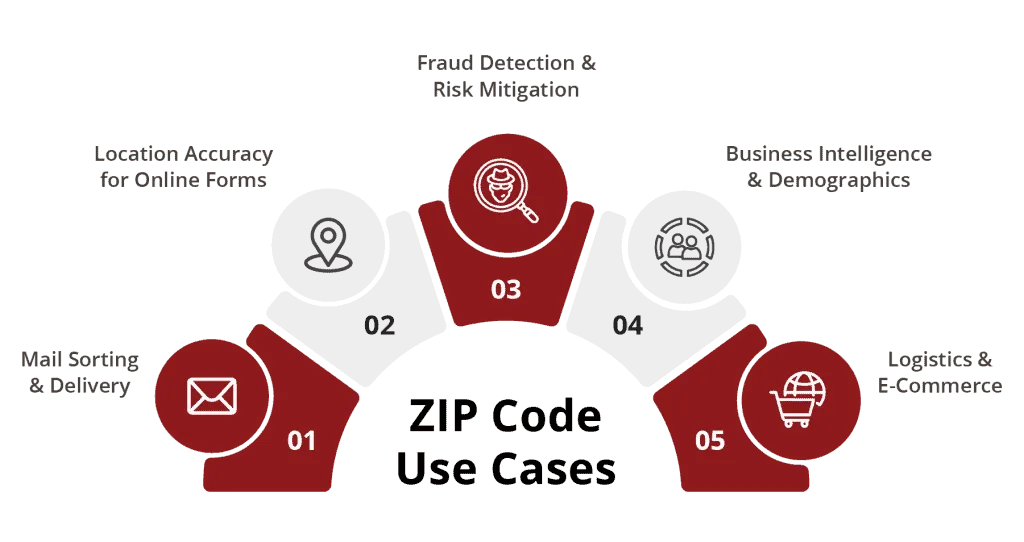
How Businesses Use ZIP Code Data
ZIP Codes play an important role in business operations.
Companies use ZIP Code information to:
- Calculate shipping costs
- Analyze customer demographics
- Target marketing campaigns
- Select store locations
- Forecast demand
Accurate ZIP Code data helps organizations make better decisions and improve service quality.
ZIP Codes in the Digital Age
Today, ZIP Codes are used for much more than mail delivery.
Modern applications include:
- E-commerce platforms
- GPS navigation systems
- Fraud prevention tools
- Healthcare research
- Real estate analysis
- Emergency response planning
Because ZIP Codes connect geographic locations with digital databases, they remain a critical part of modern infrastructure.
Tips for Finding ZIP Codes Faster
To save time and improve accuracy:
- Use official USPS resources whenever possible.
- Search with complete addresses.
- Verify information before shipping important items.
- Keep address records updated.
- Use address validation tools for business operations.
- Double-check ZIP Codes when ordering online.
These simple practices can help prevent delivery issues and reduce administrative errors.
Conclusion
Finding a U.S. ZIP Code is easier than ever thanks to online lookup tools, digital maps, and address verification services. Whether you’re sending personal mail, managing business shipments, or conducting research, using the correct ZIP Code ensures greater accuracy and efficiency.
By relying on trusted sources, providing complete address information, and understanding how ZIP Codes work, you can quickly locate the right code for virtually any address in the United States. In an increasingly connected world, accurate ZIP Code information remains an essential part of successful communication, commerce, and logistics.