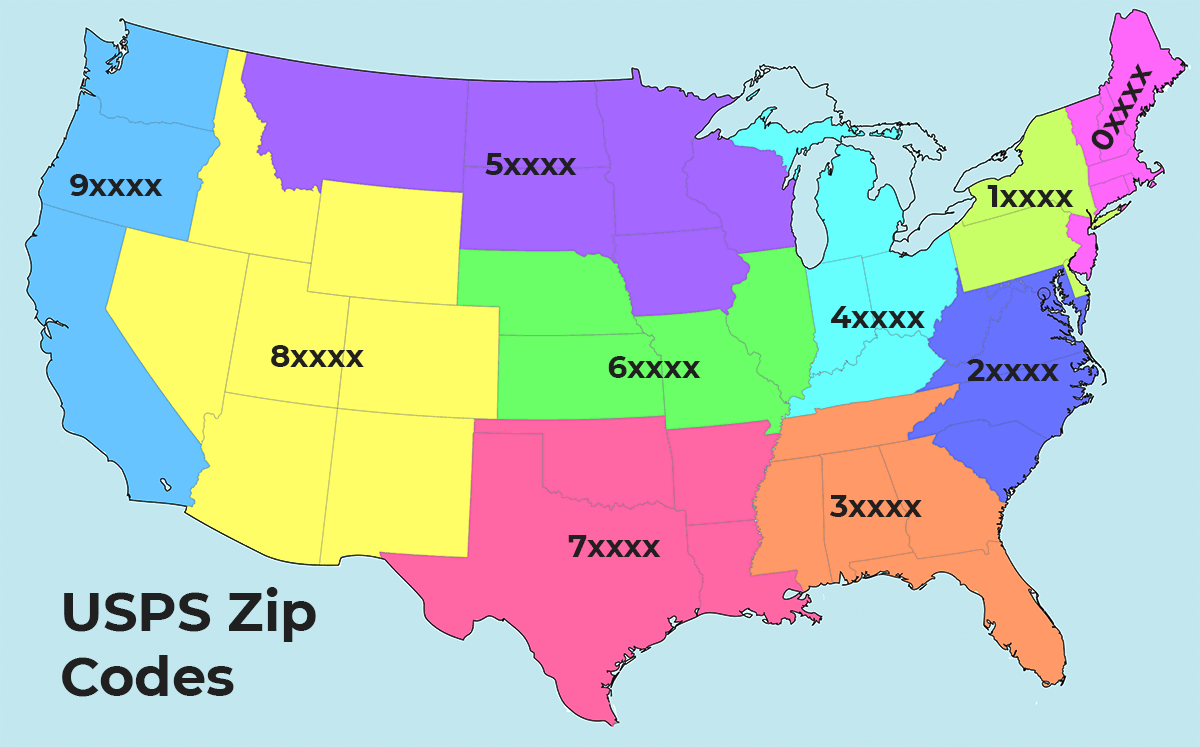
For decades, ZIP Codes have been an essential part of life in the United States. Introduced by the United States Postal Service (USPS) in 1963, the ZIP Code system was designed to improve the speed and accuracy of mail delivery. At the time, few could have imagined that these five-digit numbers would eventually become critical tools for businesses, governments, researchers, healthcare providers, and technology companies.
Today, technology has dramatically expanded the role of ZIP Codes. They are no longer used solely for sorting letters and packages. Instead, ZIP Codes have become valuable pieces of digital information that support online shopping, navigation, emergency services, data analytics, real estate, marketing, and much more.
As artificial intelligence (AI), cloud computing, geographic information systems (GIS), and smart technologies continue to evolve, the importance of ZIP Codes is growing rather than fading. This article explores how technology is transforming the role of ZIP Codes across America and why they continue to be relevant in an increasingly digital society.
Understanding ZIP Codes
ZIP stands for Zone Improvement Plan. The USPS introduced the system to make mail processing more efficient by dividing the country into geographic delivery areas.
A standard ZIP Code contains five digits, while the ZIP+4 format adds four additional numbers to identify smaller delivery segments, such as a city block, office building, or apartment complex.
Examples include:
- 10001 – New York, New York
- 30301 – Atlanta, Georgia
- 60601 – Chicago, Illinois
- 94105 – San Francisco, California
Although the original purpose was postal efficiency, ZIP Codes have evolved into an important part of America’s digital infrastructure.
The Growth of E-Commerce
Online shopping has transformed consumer behavior over the past two decades.
Every time a customer enters a ZIP Code during checkout, retailers use that information to:
- Estimate shipping costs
- Calculate sales tax
- Determine delivery times
- Verify service availability
- Route packages efficiently
Major e-commerce companies process millions of ZIP Code searches every day.
As online shopping continues growing, ZIP Codes remain essential for fast and accurate deliveries.
Artificial Intelligence Improves Delivery Networks
Artificial intelligence is revolutionizing logistics and supply chain management.
Modern AI systems analyze ZIP Code data to:
- Predict delivery demand
- Optimize shipping routes
- Reduce transportation costs
- Improve warehouse placement
- Forecast seasonal shopping trends
Instead of replacing ZIP Codes, AI relies on them as valuable geographic reference points.
The combination of AI and ZIP Code data enables companies to deliver products more quickly and efficiently.
Geographic Information Systems (GIS)
Geographic Information Systems (GIS) allow organizations to visualize and analyze location-based information.
ZIP Codes play a major role in GIS by helping organizations study:
- Population density
- Housing development
- Transportation patterns
- Business growth
- Environmental conditions
- Public infrastructure
Governments and businesses use these insights to make informed decisions that improve services and allocate resources effectively.
Smarter Marketing Through Data Analytics
Modern marketing is increasingly driven by data.
Businesses analyze ZIP Code information to understand customer demographics, including:
- Income levels
- Population growth
- Household sizes
- Purchasing behavior
- Age distribution
This information helps companies:
- Identify target audiences
- Plan advertising campaigns
- Select store locations
- Personalize marketing messages
Technology has transformed ZIP Codes into valuable tools for strategic business planning.
Healthcare Planning and Public Health
Healthcare providers use ZIP Code data to better understand community health needs.
By analyzing geographic trends, organizations can identify:
- Areas with limited healthcare access
- Disease outbreaks
- Vaccination rates
- Environmental health risks
- Population aging trends
Public health agencies use this information to allocate medical resources and develop programs that address local health challenges.
Technology enables healthcare organizations to analyze ZIP Code data more quickly and accurately than ever before.
Real Estate and Housing Markets
ZIP Codes have become important indicators in the real estate industry.
Homebuyers often search for properties by ZIP Code because it helps them evaluate:
- School districts
- Neighborhood characteristics
- Property values
- Crime statistics
- Commute times
- Local amenities
Real estate platforms combine ZIP Code information with digital maps and market data to provide comprehensive insights for buyers and sellers.
Navigation and Mapping Applications
Modern navigation systems rely heavily on GPS, but ZIP Codes continue to play an important supporting role.
Many users search for destinations using ZIP Codes instead of complete street addresses.
Mapping applications use ZIP Codes to:
- Define search areas
- Organize business listings
- Improve location filtering
- Display regional information
Combining ZIP Codes with GPS technology creates a more convenient experience for users.
Smart Cities and Urban Development
Cities across America are investing in smart technologies to improve public services.
Examples include:
- Smart traffic management
- Connected public transportation
- Intelligent street lighting
- Environmental monitoring
- Emergency response systems
ZIP Code data helps city planners understand population distribution and service demands.
Technology allows local governments to make data-driven decisions that improve the quality of life for residents.
Emergency Response and Disaster Management
During emergencies, location information becomes especially important.
Emergency agencies use ZIP Codes to:
- Coordinate evacuations
- Distribute emergency supplies
- Monitor affected areas
- Allocate rescue resources
- Provide disaster assistance
Technology enables emergency responders to combine ZIP Code data with real-time mapping systems, improving response times and operational efficiency.
Financial Services and Insurance
Banks, lenders, and insurance companies frequently use ZIP Code information during their decision-making processes.
ZIP Codes help evaluate factors such as:
- Regional market conditions
- Property locations
- Service availability
- Risk assessment
While responsible organizations use multiple data sources, ZIP Code information often contributes to broader geographic analysis.
Advances in data analytics continue improving the accuracy of these assessments.
Supporting Local Businesses
Small businesses benefit significantly from ZIP Code-based technology.
Local business owners use ZIP Codes to:
- Target nearby customers
- Optimize local search engine optimization (SEO)
- Plan delivery zones
- Analyze customer locations
- Measure advertising performance
As consumers increasingly search for businesses “near me,” accurate location information becomes even more valuable.
Cloud Computing and Digital Services
Cloud-based applications frequently rely on ZIP Code data to personalize user experiences.
Examples include:
- Weather forecasts
- Delivery availability
- Streaming service localization
- Online booking systems
- Customer support routing
Technology enables these services to instantly customize information based on the user’s geographic location.
The Rise of Big Data
ZIP Codes have become valuable components of big data analysis.
Researchers use them to study:
- Economic growth
- Employment trends
- Education
- Transportation
- Consumer behavior
- Urban development
Large datasets containing ZIP Code information help governments, universities, and private organizations make evidence-based decisions.
As computing power increases, these analyses become even more sophisticated.
Will ZIP Codes Change in the Future?
Technology continues evolving rapidly, leading some people to wonder whether ZIP Codes will eventually disappear.
Although digital addressing systems and GPS coordinates provide highly precise locations, ZIP Codes still offer advantages that technology alone cannot replace.
They provide:
- Standardized geographic regions
- Efficient postal organization
- Easy-to-understand location references
- Consistent demographic data
- Administrative boundaries
Rather than disappearing, ZIP Codes will likely become integrated with newer technologies.
Challenges Ahead
Despite their continued importance, ZIP Codes face several challenges.
These include:
Growing Population
Expanding cities require updated delivery routes and occasionally new ZIP Codes.
Increasing Delivery Demand
Online shopping places greater pressure on logistics networks.
Data Accuracy
Businesses must regularly verify address information to reduce shipping errors.
Emerging Technologies
Organizations must adapt ZIP Code systems to work alongside AI, GPS, autonomous vehicles, and smart infrastructure.
Fortunately, ongoing technological innovation helps address many of these challenges.
Best Practices for Businesses
Organizations that rely on ZIP Code information should:
- Maintain accurate customer address databases.
- Use address verification tools.
- Integrate ZIP Code data with mapping software.
- Monitor USPS updates.
- Optimize websites for local SEO.
- Analyze customer demographics responsibly.
- Invest in secure data management practices.
These strategies improve operational efficiency while enhancing customer satisfaction.
Looking Ahead
The future of ZIP Codes is closely connected to advances in digital technology.
Over the next decade, we can expect:
- Greater use of AI in logistics.
- Smarter route optimization.
- Expanded smart city initiatives.
- Improved geographic data analysis.
- Better integration with digital mapping systems.
- Increased support for autonomous delivery technologies.
- Continued growth of e-commerce.
- More personalized digital services.
Rather than becoming obsolete, ZIP Codes are expected to remain an essential layer within America’s digital infrastructure.
Conclusion
Technology has transformed ZIP Codes from simple postal identifiers into powerful tools that support countless industries across the United States. Today, they help drive e-commerce, logistics, healthcare, urban planning, marketing, real estate, emergency management, and many other services that millions of people rely on every day.
As innovations such as artificial intelligence, cloud computing, geographic information systems, and smart city technologies continue to evolve, the role of ZIP Codes will likely expand even further. Their ability to organize geographic information, support efficient service delivery, and enable data-driven decision-making ensures they remain highly relevant in the digital age.
For businesses, developers, researchers, and consumers alike, understanding how technology is reshaping the role of ZIP Codes provides valuable insight into the future of connected communities. While the tools surrounding them may continue to change, ZIP Codes will remain a trusted and practical foundation for organizing location-based information across America for years to come.