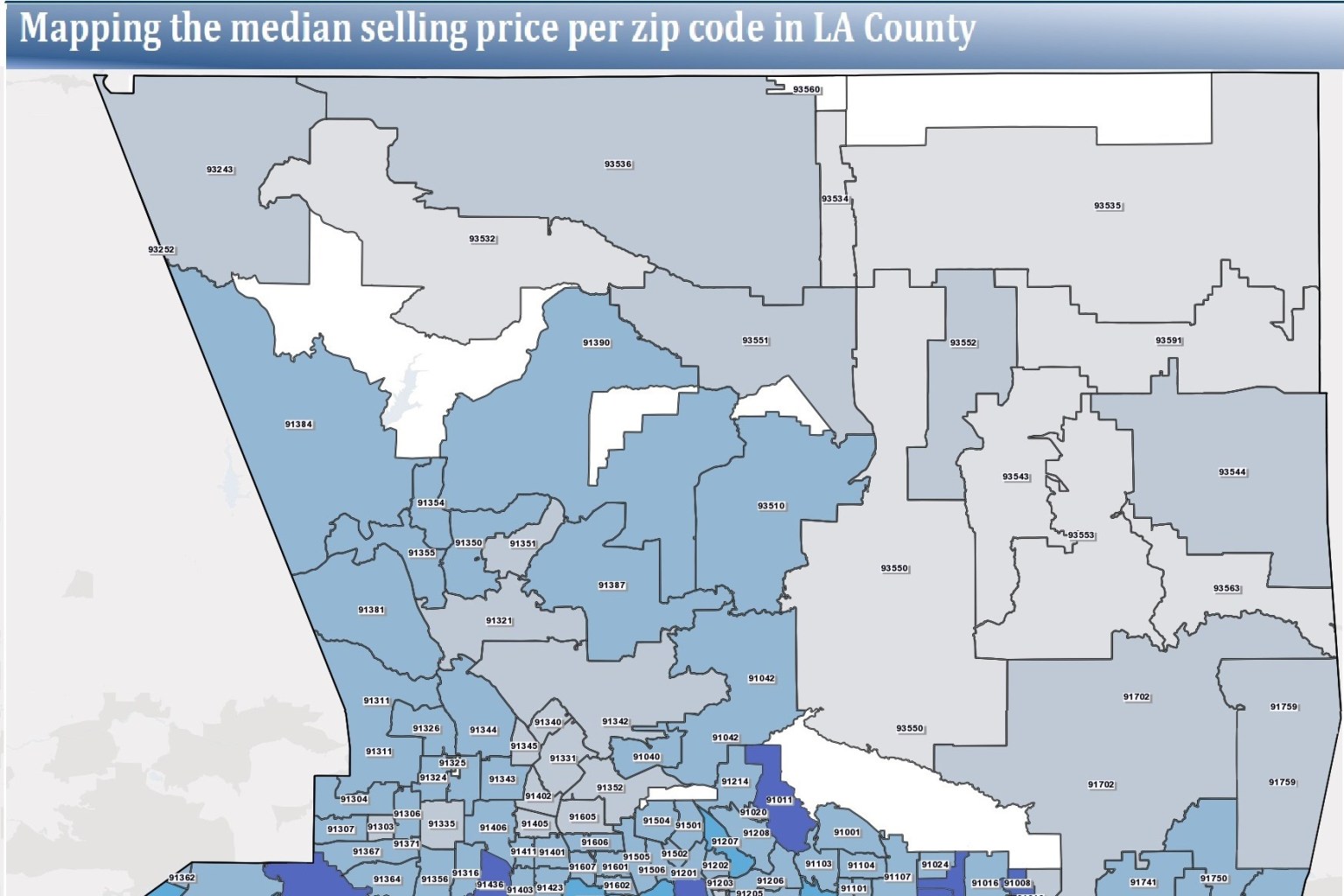
For more than 60 years, ZIP Codes have been a cornerstone of the United States postal system. Originally introduced to improve the efficiency of mail delivery, these five-digit numbers have become essential tools for businesses, government agencies, healthcare providers, researchers, and consumers alike.
Today, ZIP Codes are used for far more than delivering letters and packages. They support online shopping, navigation systems, emergency response, demographic analysis, marketing campaigns, insurance services, and countless digital applications. As technology continues to evolve, so too does the role of ZIP Codes.
With the rapid growth of artificial intelligence (AI), e-commerce, smart cities, cloud computing, and advanced geographic information systems (GIS), many people are asking what the future holds for America’s ZIP Code system. Will ZIP Codes remain the same, or will they evolve to meet the demands of an increasingly connected world?
This article explores how U.S. ZIP Codes have evolved over time and what businesses, consumers, and communities can expect over the next decade.
A Brief History of ZIP Codes
ZIP stands for Zone Improvement Plan, a system introduced by the United States Postal Service (USPS) in 1963.
Before ZIP Codes, growing mail volumes made sorting and delivering mail increasingly difficult. The five-digit system simplified postal operations by dividing the country into manageable geographic regions.
Later, the USPS introduced the ZIP+4 format, adding four extra digits to improve delivery accuracy for large buildings, business districts, apartment complexes, and high-volume mail recipients.
Although originally intended for postal efficiency, ZIP Codes gradually became valuable geographic identifiers used across many industries.
ZIP Codes Have Become Essential Digital Infrastructure
Today, ZIP Codes are deeply integrated into everyday digital life.
They help power services such as:
- Online shopping
- Delivery tracking
- Weather forecasting
- Banking verification
- Tax calculations
- Insurance quotes
- Local business searches
- Healthcare planning
- Real estate platforms
- Census and demographic research
Few people realize how many digital services depend on accurate ZIP Code information every day.
E-Commerce Will Continue Driving Innovation
The growth of online shopping has dramatically increased the importance of ZIP Codes.
Retailers rely on them to:
- Calculate shipping costs
- Estimate delivery times
- Determine service availability
- Route packages efficiently
- Select warehouse locations
As customer expectations for same-day and next-day delivery continue to rise, logistics companies will increasingly use ZIP Code data alongside AI-powered optimization systems.
The next decade is likely to bring even faster and more accurate delivery services supported by smarter geographic analysis.
Artificial Intelligence Will Expand the Role of ZIP Codes
Artificial intelligence is transforming how organizations process geographic information.
AI systems can analyze ZIP Code data to:
- Predict customer demand
- Optimize delivery routes
- Forecast population growth
- Improve inventory management
- Identify market opportunities
- Detect service gaps
Instead of replacing ZIP Codes, AI enhances their usefulness by discovering patterns within large datasets.
Businesses that combine ZIP Code information with AI analytics will gain deeper insights into customer behavior and operational efficiency.
Smart Cities Will Increase Geographic Data Needs
Many cities across the United States are investing in smart technologies designed to improve urban living.
Examples include:
- Intelligent traffic systems
- Connected public transportation
- Smart utility networks
- Environmental monitoring
- Digital infrastructure
- Public safety systems
These initiatives require reliable geographic organization.
ZIP Codes provide practical regional boundaries that help city planners manage services and evaluate community needs.
Over the next decade, smart city projects will likely increase the demand for accurate location-based data.
Delivery Systems Will Become More Intelligent
Package delivery is changing rapidly.
Future delivery methods may include:
- Autonomous vehicles
- Delivery drones
- Sidewalk robots
- AI-assisted logistics
- Smart lockers
These technologies require highly accurate location information.
Rather than replacing ZIP Codes, they will combine multiple technologies such as:
- GPS coordinates
- Digital maps
- Geographic Information Systems (GIS)
- ZIP Code databases
Together, these systems will improve delivery accuracy while maintaining familiar postal structures.
Population Growth Will Influence ZIP Code Changes
America’s population continues to shift.
Growing metropolitan areas require:
- New housing developments
- Expanded transportation
- Additional postal routes
- Updated delivery zones
The USPS periodically introduces new ZIP Codes or adjusts existing boundaries to accommodate population changes.
As suburban and urban expansion continues, similar adjustments are expected over the coming decade.
Healthcare Will Continue Using ZIP Code Data
Healthcare providers increasingly rely on ZIP Code information to understand community health trends.
ZIP Code analysis helps identify:
- Access to healthcare
- Disease patterns
- Vaccination coverage
- Population density
- Health disparities
Artificial intelligence enables healthcare organizations to analyze these datasets more efficiently.
Improved geographic analysis can support better public health planning and more effective resource allocation.
Businesses Will Use ZIP Codes for Smarter Decisions
Companies depend on ZIP Code information for strategic planning.
Common applications include:
- Market research
- Customer segmentation
- Retail expansion
- Advertising campaigns
- Sales forecasting
As machine learning becomes more sophisticated, businesses will gain even greater insights from geographic data.
ZIP Codes will remain valuable tools for understanding local markets and consumer behavior.
Local SEO Will Remain Important
Consumers frequently search for businesses near their homes or workplaces.
Examples include:
- Restaurants
- Dentists
- Electricians
- Hotels
- Auto repair shops
Search engines use location signals, including ZIP Codes, to deliver relevant local results.
Businesses that maintain accurate address information and optimize their local presence are likely to remain more visible to nearby customers.
Digital Mapping Will Become More Precise
Modern mapping platforms already provide detailed navigation using GPS technology.
However, ZIP Codes continue to serve important purposes by:
- Defining search regions
- Organizing communities
- Simplifying address searches
- Supporting demographic analysis
Future mapping systems will likely combine:
- GPS precision
- Satellite imagery
- AI-powered recommendations
- ZIP Code boundaries
This integrated approach provides both accuracy and usability.
Privacy and Data Security Will Become Greater Priorities
As organizations collect more geographic information, protecting customer privacy becomes increasingly important.
Businesses should:
- Secure customer databases
- Validate address information
- Follow data protection regulations
- Limit unnecessary data collection
- Use secure cloud storage
Responsible data management builds customer trust while supporting innovation.
Could ZIP Codes Become More Detailed?
Some experts believe future address systems may include:
- Smart building identifiers
- Digital property IDs
- Enhanced ZIP+4 adoption
- AI-generated delivery zones
- GIS-based service regions
These technologies could improve location precision without replacing the familiar ZIP Code system.
Instead, they would likely work together to create smarter location services.
Challenges for the Next Decade
Although ZIP Codes remain highly effective, several challenges lie ahead.
Urban Expansion
Rapid development requires updated postal infrastructure.
Increasing Delivery Volumes
Growing e-commerce places additional pressure on logistics networks.
Climate-Related Disruptions
Natural disasters may affect transportation and delivery routes.
Emerging Technologies
Organizations must integrate ZIP Code systems with AI, automation, and connected infrastructure.
Fortunately, ongoing innovation provides new tools for addressing these challenges.
Best Practices for Businesses
Organizations can prepare for the future by:
- Keeping customer address records accurate.
- Using address verification software.
- Monitoring USPS updates.
- Investing in AI-powered analytics.
- Strengthening cybersecurity.
- Optimizing websites for local search.
- Integrating GIS technology into business planning.
These strategies improve efficiency while preparing businesses for future technological developments.
What the Next Decade May Bring
Several trends are likely to shape the evolution of U.S. ZIP Codes during the next ten years:
- Greater integration with artificial intelligence.
- Smarter logistics and automated delivery systems.
- Continued growth of e-commerce.
- More advanced geographic information systems.
- Improved public service planning.
- Increased support for smart city initiatives.
- Better predictive analytics using ZIP Code data.
- Expanded use of cloud-based mapping technologies.
Rather than disappearing, ZIP Codes are expected to become even more integrated into America’s digital infrastructure.
Why ZIP Codes Will Continue to Matter
Although technology continues to evolve, the need for standardized geographic organization remains strong.
ZIP Codes provide:
- Consistent regional identification
- Efficient logistics planning
- Reliable demographic analysis
- Practical business insights
- Easy-to-understand location references
These advantages ensure they will remain valuable for businesses, governments, researchers, and consumers alike.
Conclusion
The U.S. ZIP Code system has come a long way since its introduction in 1963. What began as a practical solution for improving mail delivery has evolved into a vital component of the nation’s digital economy. Today, ZIP Codes support industries ranging from e-commerce and healthcare to marketing, logistics, real estate, and public administration.
Looking ahead, the next decade is likely to bring even greater integration between ZIP Codes and emerging technologies such as artificial intelligence, smart cities, cloud computing, and geographic information systems. While these innovations will change how location data is collected and analyzed, they are unlikely to replace the ZIP Code system itself. Instead, they will enhance its capabilities and expand its role across countless digital services.
For businesses, website owners, and consumers, understanding the evolution of ZIP Codes is essential for adapting to a future where accurate geographic information plays an even greater role in daily life. By embracing innovation while maintaining reliable location data, organizations can position themselves for long-term success in an increasingly connected and technology-driven world.