
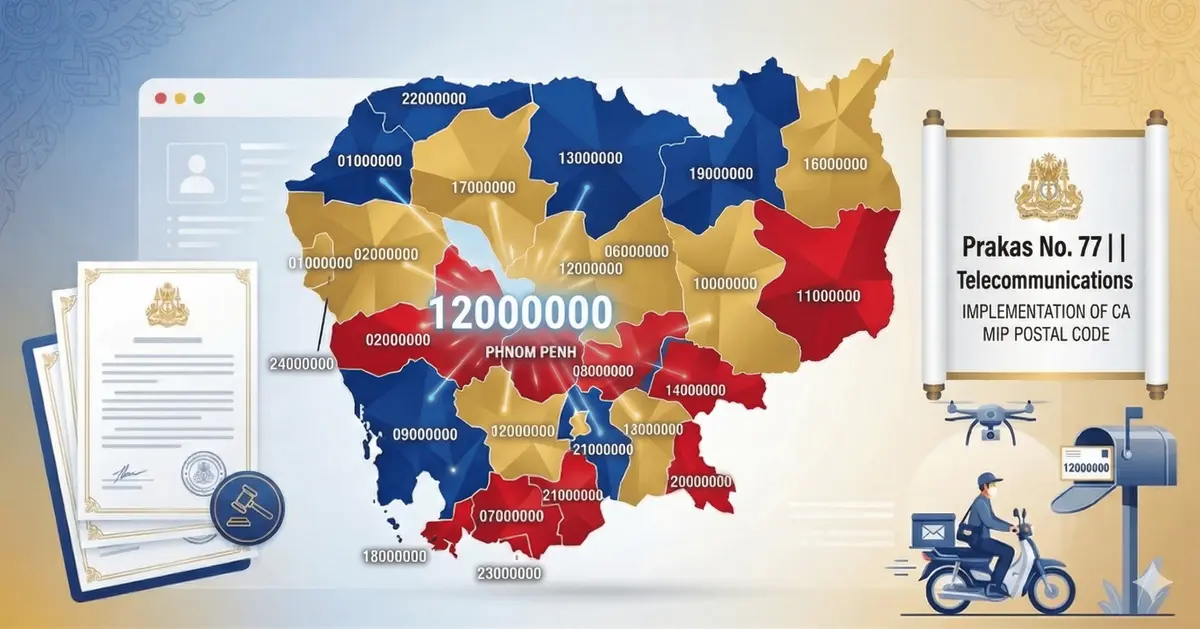
Finding the correct postal code may seem like a simple task, but it can become surprisingly confusing when an address is incomplete, located in a large city, or belongs to another country.
A postal code is an important part of an address because it helps postal services, courier companies, online stores, and businesses identify the correct delivery area. Entering the wrong postal code can sometimes result in delayed packages, incorrect shipping costs, or problems with address verification.
Fortunately, finding the correct postal code is usually easy when you know where to look.
In this guide, we will explain several reliable ways to find a postal code for almost any address and share some simple tips for avoiding common mistakes.
What Is a Postal Code?
A postal code is a series of numbers, letters, or a combination of both used to identify a geographic delivery area.
Different countries use different names for these codes.
For example:
- ZIP Code — United States
- Postcode — United Kingdom and several other countries
- Postal Code — commonly used internationally
- Kode Pos — Indonesia
- PIN Code — India
Although the names and formats differ, the basic purpose is similar: helping postal services organize and deliver mail efficiently.
Why Is Finding the Correct Postal Code Important?
A postal code may look like a small part of an address, but it can have a significant impact on delivery.
The correct postal code can help with:
- Mail delivery
- Package shipping
- Online shopping
- Address verification
- Courier services
- Shipping cost calculations
- Delivery estimates
- Business address databases
- Government forms
- Banking and financial services
For example, two streets may have similar names but belong to completely different delivery areas. The postal code provides another layer of information that helps distinguish them.
Start With the Complete Address
The easiest way to find a postal code is to start with as much address information as possible.
Ideally, you should have:
Country → State/Province → City → District → Street → Building or house number
The more complete the address, the easier it becomes to identify the correct postal code.
If you only know the city, you may find multiple postal codes because large cities can contain dozens or even hundreds of postal areas.
Use the Official Postal Service Website
One of the most reliable ways to find a postal code is to use the official postal service website of the country.
Many national postal organizations provide an address or postal code lookup tool.
These tools are useful because their databases are generally maintained specifically for postal delivery.
When possible, enter the complete address rather than searching only by city name.
This can help you avoid selecting a postal code that belongs to a nearby neighborhood.
Search a Reliable Postal Code Directory
Another option is to use a reputable postal code directory.
Postal code directories organize codes by country, region, city, district, or locality.
For example, if you are looking for an Indonesian postal code, you might search by:
Province → Regency/City → District → Village
A directory can be especially useful when you want to browse postal codes instead of searching for only one address.
However, always consider the reliability and update frequency of the directory.
Use an Online Map
Digital maps can also help identify postal codes.
Depending on the country and the map service, you may be able to search for a specific address and view information associated with that location.
This method can be particularly useful when you are unsure about the exact neighborhood or locality.
However, map information is not always guaranteed to contain the latest postal data.
For important deliveries, compare the result with an official postal source when possible.
Check Previous Mail or Packages
If you have previously received mail at the same address, check the label.
A previous package, letter, invoice, or official document may contain the correct postal code.
This can be one of the easiest solutions if you are trying to confirm your own address.
Just make sure the address has not changed and that the postal code is still current.
Ask the Local Postal Office
If online searches do not provide a clear answer, contacting the local postal office can be helpful.
This is particularly useful for rural areas, newly developed neighborhoods, or addresses that appear differently across different databases.
Postal staff may be able to confirm the correct code based on the full address.
Be Careful With Large Cities
Large cities often have many postal codes.
This is one of the most common reasons people select the wrong code.
For example, knowing that an address is located in a major city does not necessarily tell you its postal code.
Different neighborhoods, districts, and streets can have different codes.
Instead of searching:
“Postal code + city name”
try searching using the complete locality or district information.
Postal Codes Can Be Similar
Another common problem is confusing similar postal codes.
Imagine you find these two codes:
10110
and
10120
They may look almost identical, but they could represent different delivery areas.
Always double-check every digit or letter before entering the code into an important form.
This is especially important for countries that use long numeric or alphanumeric postal codes.
Pay Attention to Postal Code Formatting
Postal code formats vary around the world.
Some contain only numbers.
Example:
10110
Others combine letters and numbers.
Example:
SW1A 1AA
Some systems use a hyphen.
Example:
100-0001
When entering a postal code into an online form, follow the format requested by the website.
Do not automatically remove spaces or hyphens unless the form specifically requires you to do so.
Finding a Postal Code in the United States
In the United States, postal codes are called ZIP Codes.
A standard ZIP Code contains five digits.
Example:
90210
The United States also uses ZIP+4:
90210-1234
To find the correct ZIP Code, you can search using the complete street address, city, and state.
When dealing with an important shipment, verify the result through a reliable postal source.
Finding a Postal Code in the United Kingdom
UK postal codes are alphanumeric.
An example is:
SW1A 1AA
Because UK postcodes can cover relatively small delivery areas, using the exact address can produce a much more accurate result than searching by city alone.
Make sure letters, numbers, and spaces are entered correctly.
Finding a Postal Code in Indonesia
Indonesia uses five-digit postal codes, commonly called kode pos.
For example:
10110
To find an Indonesian postal code, it is useful to know the province, city or regency, district, and village.
Because many locations have similar names, searching only for a village or city name may produce confusing results.
A structured postal code directory can make this process much easier.
Finding a Postal Code in Other Countries
If you are searching for an international postal code, first identify the destination country.
Then determine what that country calls its postal code system.
For example:
- United States — ZIP Code
- Canada — Postal Code
- United Kingdom — Postcode
- Australia — Postcode
- India — PIN Code
- Indonesia — Kode Pos
- Japan — Postal Code
The terminology may be different, but the goal is generally the same.
What If an Address Does Not Have a Postal Code?
Some addresses or locations may not have a conventional postal code.
This can happen in certain remote areas or regions where postal systems use alternative addressing methods.
If you cannot find a postal code, do not invent one.
Instead, check the destination country’s postal authority or ask the recipient to confirm the correct mailing information.
Entering a random code can create more problems than leaving the field unresolved.
Common Postal Code Search Mistakes
When searching for a postal code, avoid these common mistakes:
1. Searching Only by City
A large city may contain many postal codes.
2. Using an Outdated Directory
Postal boundaries and codes can change.
3. Confusing Nearby Locations
A nearby neighborhood may have a different postal code.
4. Typing the Code Incorrectly
One wrong digit or letter can change the destination area.
5. Assuming Every Code Has Five Digits
Different countries use different formats.
6. Guessing When the Result Is Unclear
If several codes appear, verify the address instead of choosing one randomly.
How to Verify a Postal Code Before Shipping
Before sending an important package, follow this simple checklist:
Step 1: Confirm the country.
Step 2: Check the city or locality.
Step 3: Confirm the district or neighborhood.
Step 4: Verify the street and building number.
Step 5: Look up the postal code using a reliable source.
Step 6: Compare the postal code with the complete address.
Step 7: Check the spelling and formatting before submitting the address.
This takes only a few minutes but can help prevent delivery problems.